
FIRE ON THE HILLS
By
David Strohmaier
Artwork
Rik Olson
DELUXE Edition: $2000
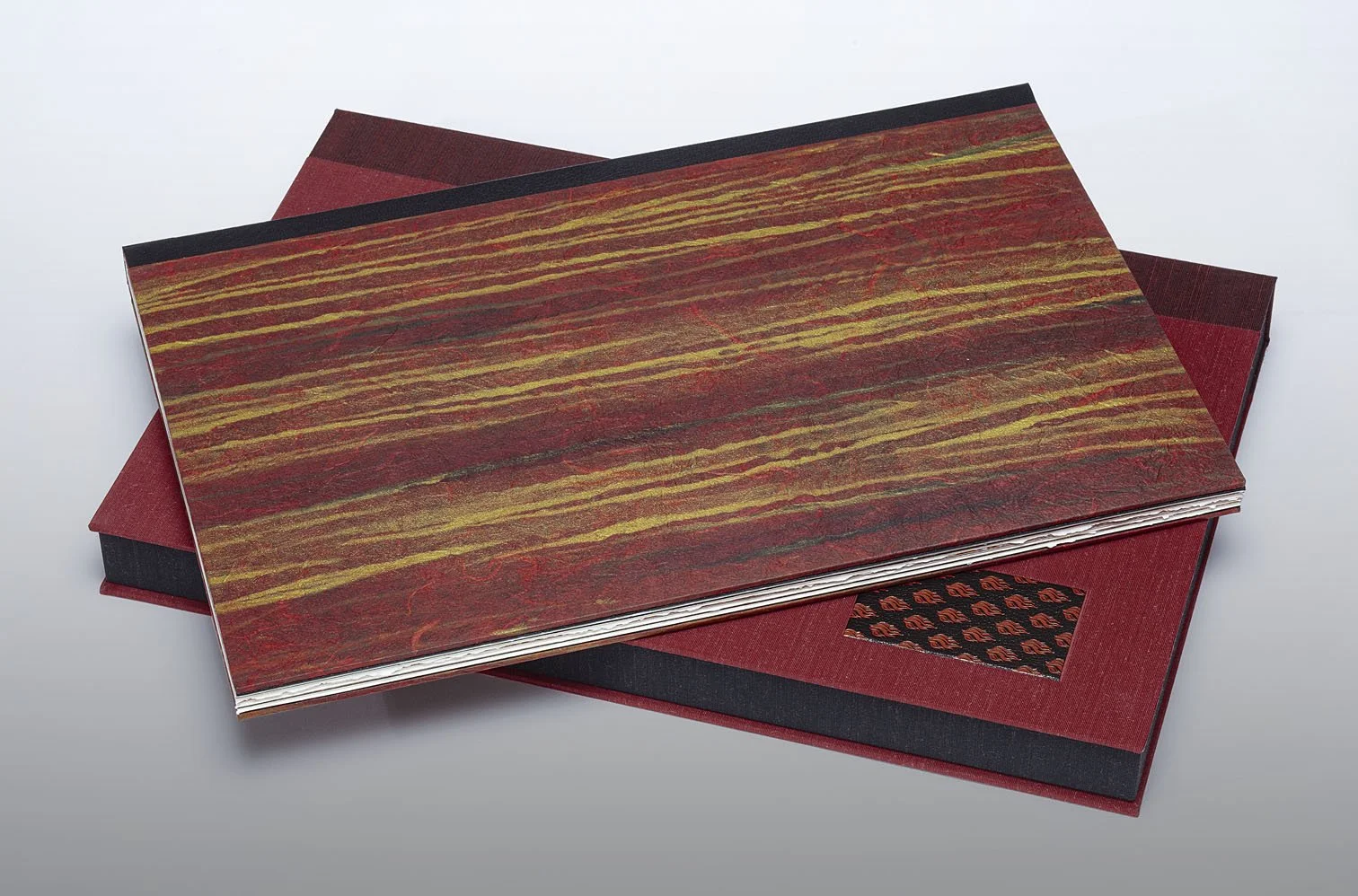
FIRE ON THE HILLS is an upfront, personal examination of wildfires as seen by the wildland firefighter and the rural artist. The two have collaborated in this edition by celebrating the nature of fire, past and present, and looking deeper into our ongoing relationship with it.
David J. Strohmaier is an author and former wildland firefighter who brings an unusually rich and multifaceted perspective to the subject of fire in the American West. Residing in Missoula, Montana, he holds a Master of Science in Environmental Studies from the University of Montana and a Master of Arts in Religion from Yale Divinity School. This combination of ecological insight and spiritual reflection infuses his writing with depth and resonance.
Strohmaier is widely regarded for his nuanced understanding of humanity’s evolving relationship with fire—an elemental force that shapes not only landscapes but also cultures, memory, and emotion. Here he reflects on fire as both destroyer and regenerator.
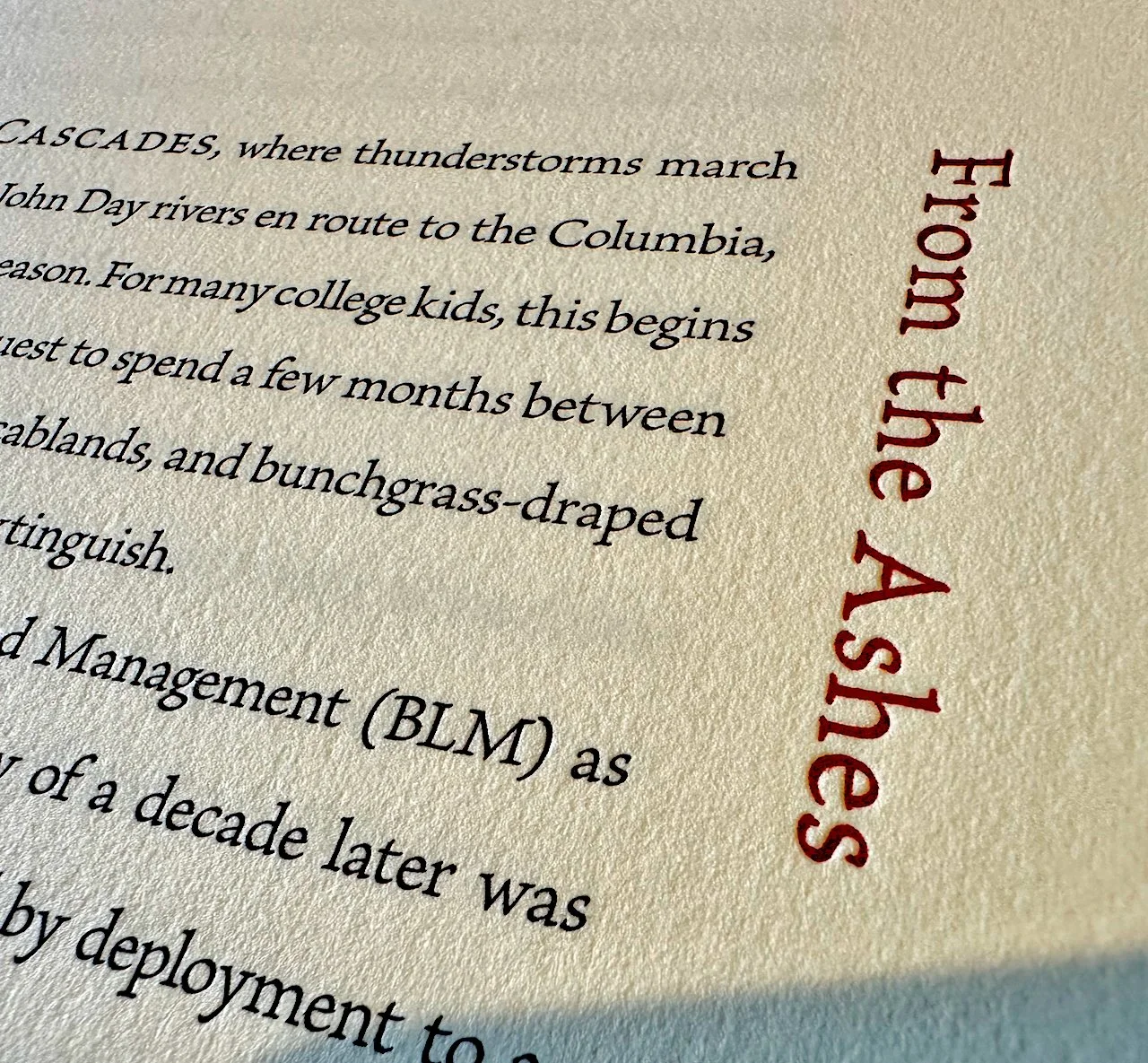
Drawing from his years on the fire line, he conveys not only the visceral heat and smoke of wildland firefighting but also the internal terrain— fear, awe, camaraderie, fatigue, purpose—that those who battle fire come to know intimately. Strohmaier also contextualizes fire within historical and varied Indigenous frameworks, acknowledging the long tradition of fire stewardship among Native peoples of the West.
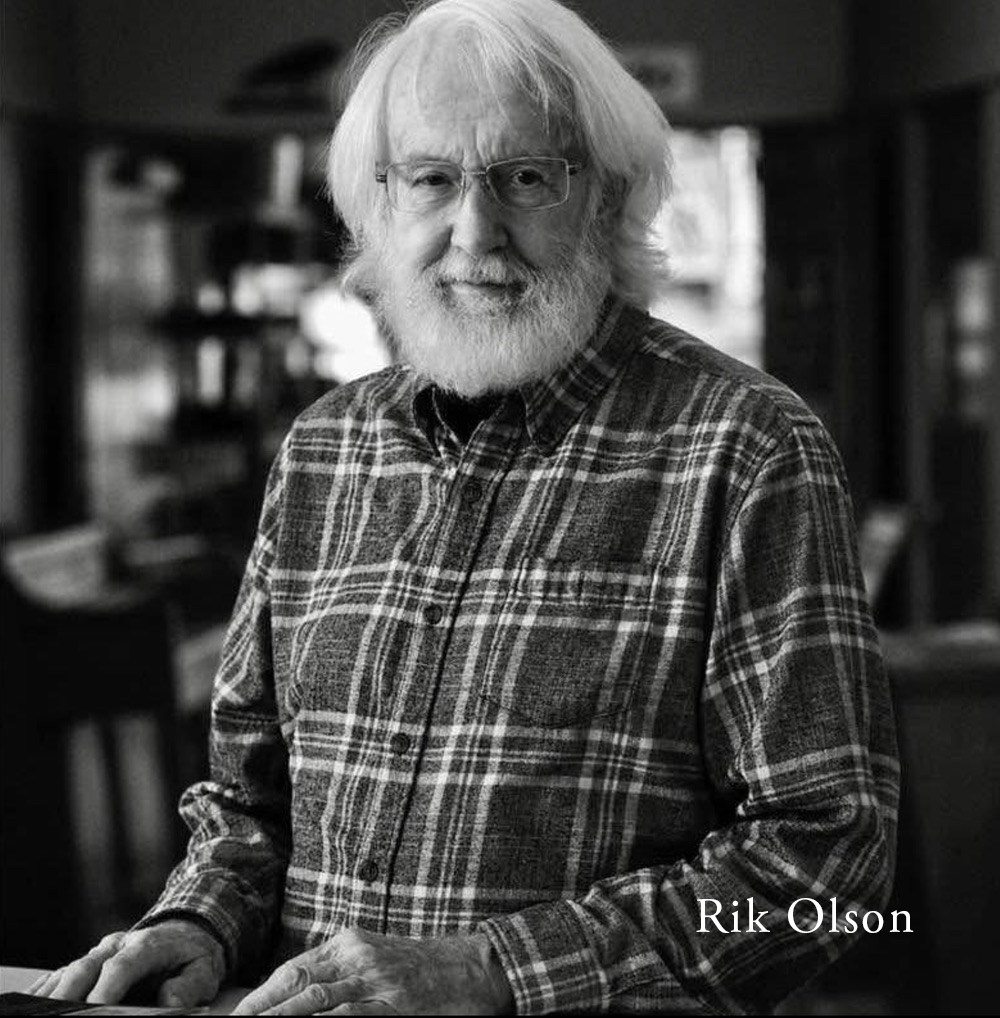
Rik Olson is a Northern California-based artist known for his mastery of traditional printmaking techniques. Olson earned his Bachelor of Fine Arts in Illustration from the California College of Arts and Crafts in Oakland and has spent over four decades as a working illustrator, painter, and printmaker. Trained in wood engraving under the guidance of masters like Barry Moser and John DePol, Olson’s work combines precision and emotional resonance.
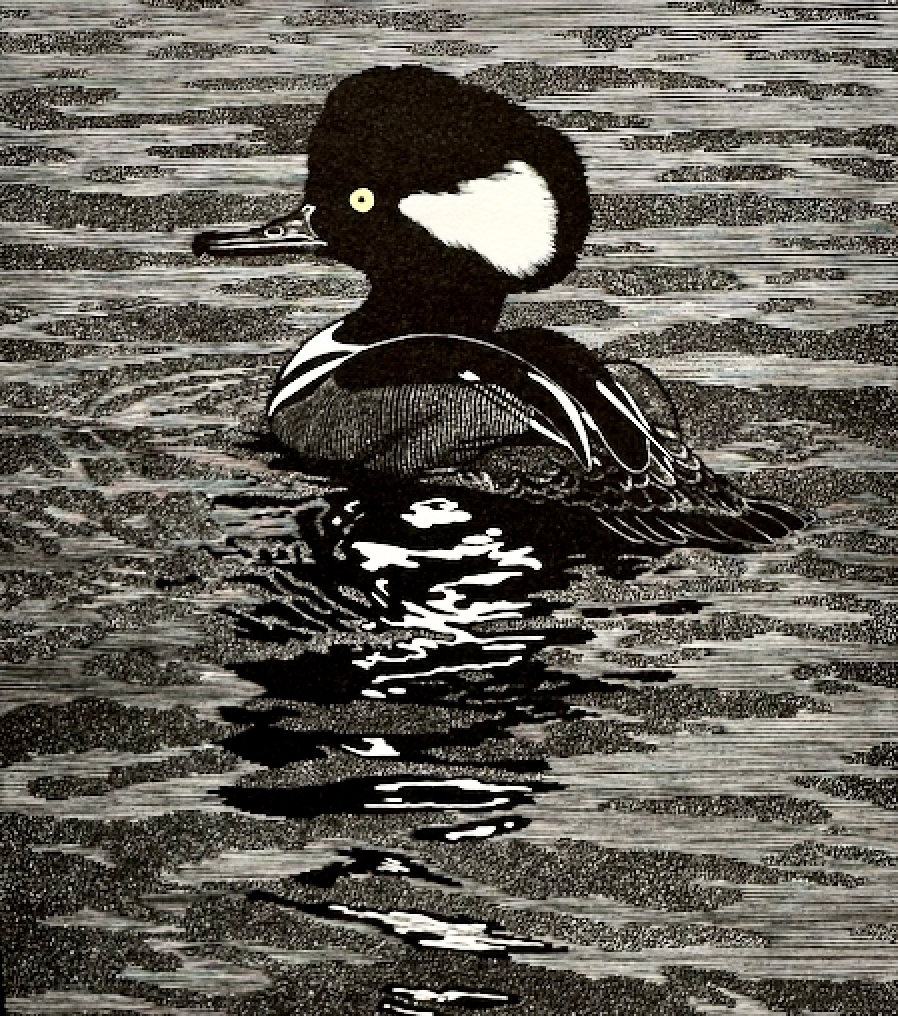
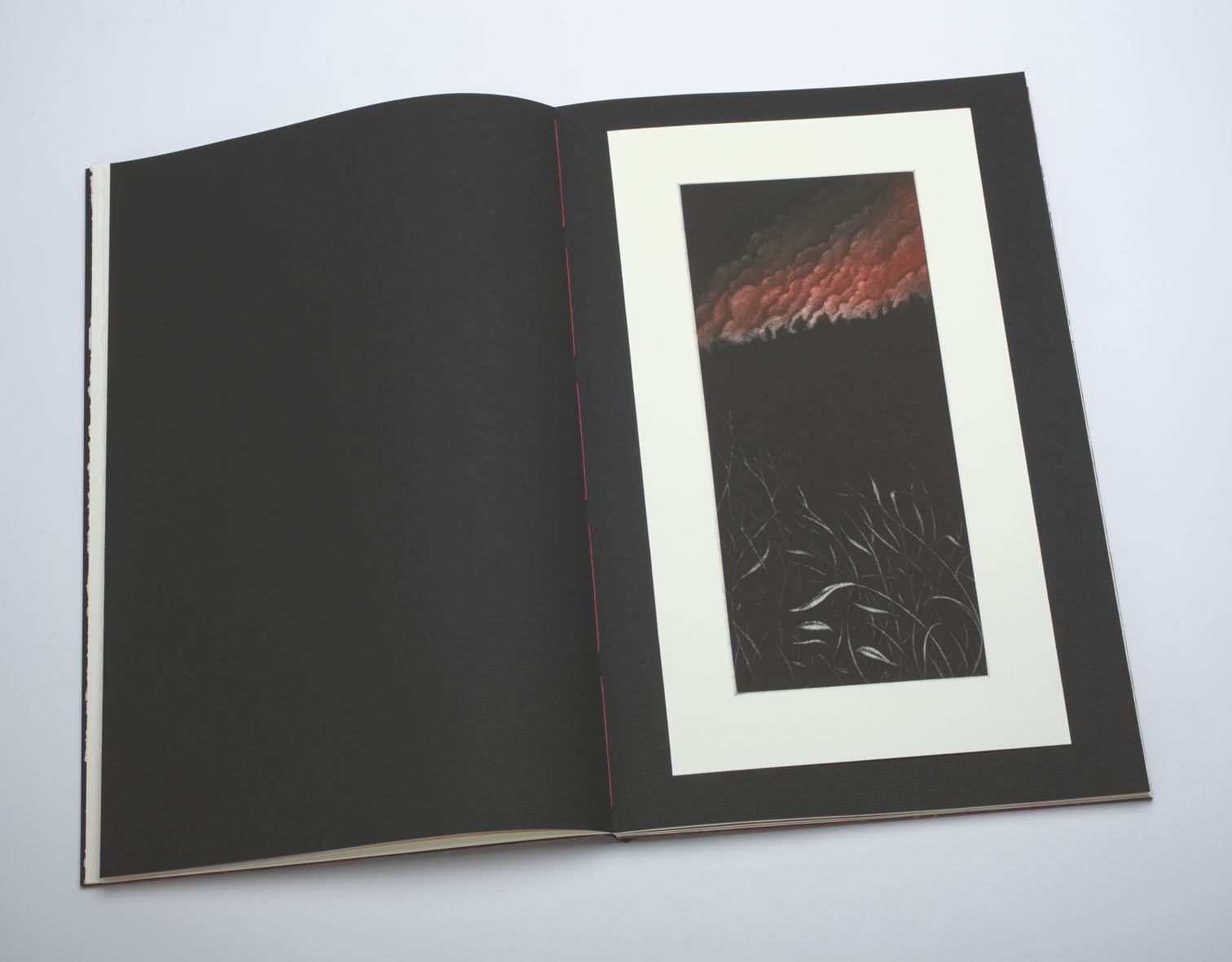
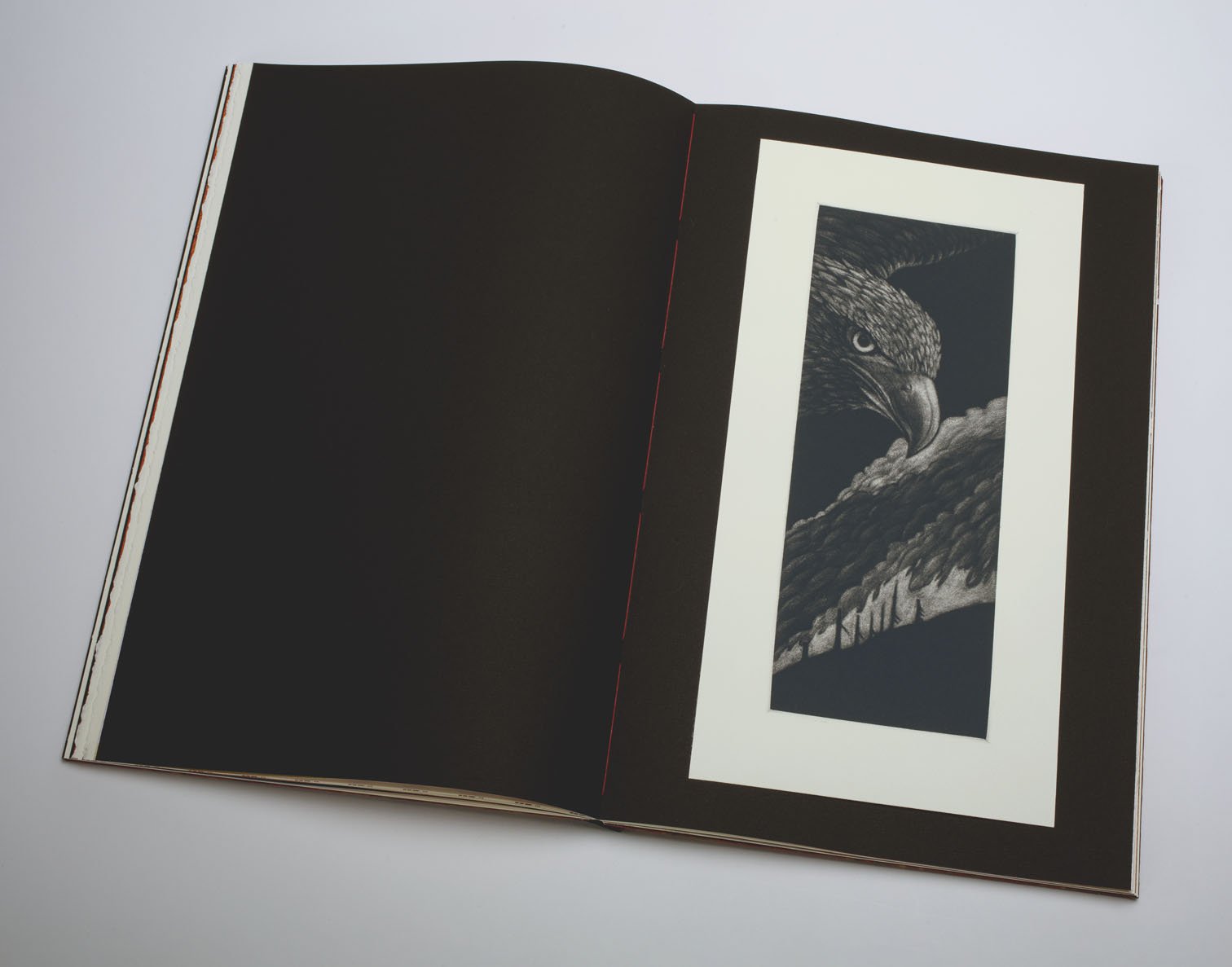
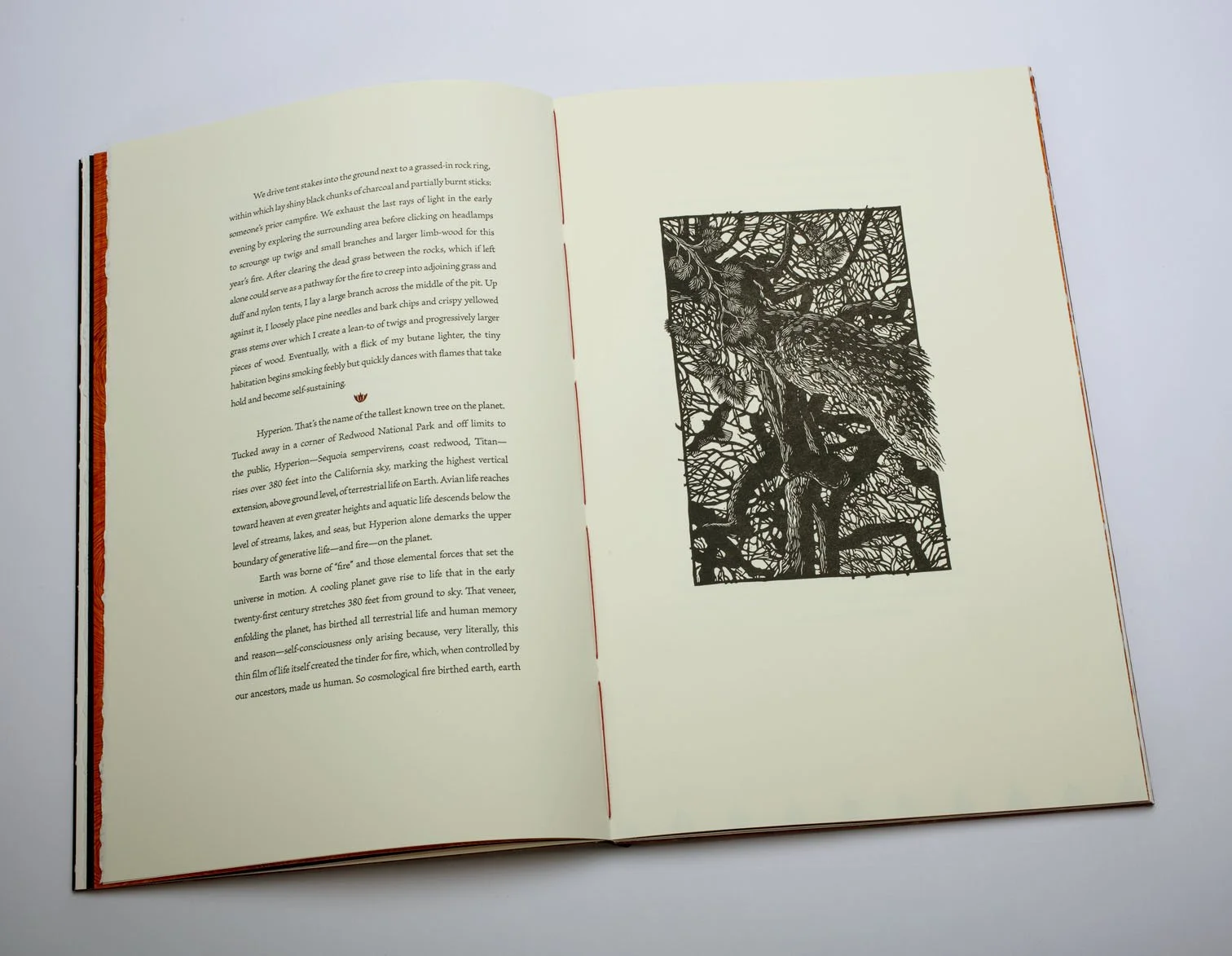
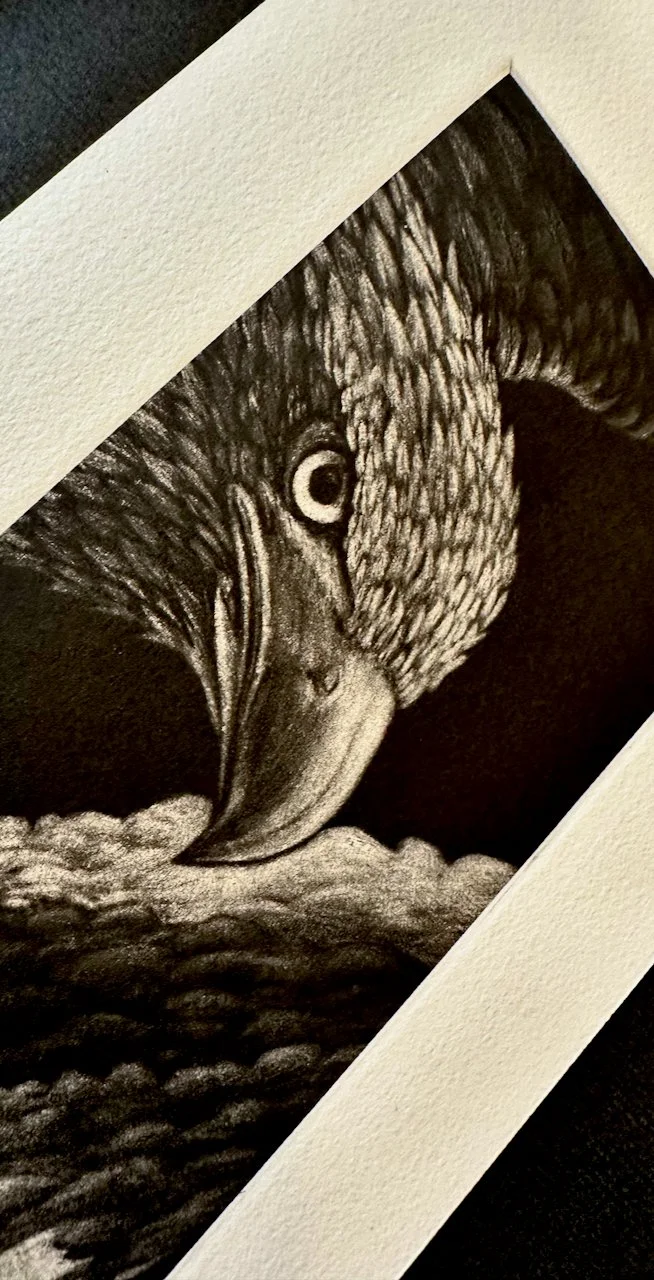
In this edition he expands his repertoire to include mezzotints as well, bringing an added richness and tonal subtlety to his imagery. Olson’s artwork enhances Strohmaier’s reflections with haunting and evocative visual interpretations of fire’s presence on the landscape. Trees ghosted in ash, sparks flickering against blackened skies, and quiet, post-burn silhouettes emerge from the page in stunning relief. Each image feels both grounded in a specific place and suspended in a timeless meditation. His images are not illustrative in a narrow sense—they are interpretive and deeply felt.
Together, Strohmaier and Olson contribute to work that is both elegy and testament, an aesthetic object that honors fire’s complexity. The edition asks for a slower kind of attention, inviting readers to consider fire not only as force, but as presence. Through word and image, it offers a measured reckoning with an element that continues to shape land, memory, and meaning in the wildfire experience.